Welcome to Hyperion Records, a British classical label devoted to presenting high-quality recordings of music of all styles and from all periods from the twelfth century to the twenty-first.
Hyperion offers both CDs, and downloads in a number of formats. The site is also available in several languages.
Please use the dropdown buttons to set your preferred options, or use the checkbox to accept the defaults.


| St John's College Choir Cambridge, Andrew Nethsingha (conductor), George Herbert (organ)» More |
from notes by Martin Ennis © 2023
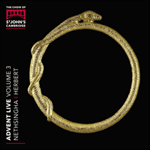 Advent Live, Vol. 3 Advent Live, Vol. 3Studio Master: SIGCD768Download onlyStudio Master FLAC & ALAC downloads available  This new compilation reassuringly takes us on the traditional Advent journey from darkness to light, while introducing a good few new works and other surprises along the way. Vintage stuff from St John's.» More |