
Welcome to Hyperion Records, a British classical label devoted to presenting high-quality recordings of music of all styles and from all periods from the twelfth century to the twenty-first.
Hyperion offers both CDs, and downloads in a number of formats. The site is also available in several languages.
Please use the dropdown buttons to set your preferred options, or use the checkbox to accept the defaults.

The first movement of the F minor Sonata has much the same feeling as this funeral march, the same sense of an unfolding drama enacted in a heavy 3/4 tempo which gains its force and character, if not from a single theme, then from a family of related rhythms and thematic shapes that dominate the entire movement. Though the outer form is straightforward, with a more-or-less literal recapitulation of the exposition and clear development and coda sections, the recurrent features give the movement an inexorable sense of growth—from the widely flung gestures of the opening, through the dour march that follows, the lyrical second theme with flowing accompaniment in A flat/D flat major, and even the ethereal reflections marked ‘pp dolce’ then ‘misterioso’ that preface the return of the opening.
That ethereal quality anticipates the mood of the ‘Andante espressivo’ slow movement (though it was composed earlier, as was its abbreviated recall as the fourth movement, marked ‘Rückblick’—‘Retrospect’). At least the first of these movements is apparently based on a poem, ‘Junge Liebe’ by C O Sternau, the opening of which Brahms adds at the head of his score, though noting only the poet, not the source.
Der Abend dämmert, das Mondlicht scheint
Da sind zwei Herzen in Liebe vereint
Und halten sich selig umfangen
Twilight falls, the moonlight shines,
Two hearts are united in love,
and keep themselves in bliss enclosed.
Brahms reflects this text in the mirroring of his intimate descending upper melody in the lower voice and by the atmospheric ‘ben cantando’ passage that follows, with its delicate gently repeated notes and almost unearthly chordal spacings in the upper register. But the mood changes. The passionate intensity to which the middle section grows from its ‘extremely soft and sweet’ opening in the new key of D flat major certainly suggests more than just an idyllic scene, especially when the repetition of the opening section in the tonic is followed by a seemingly new ‘Andante molto’, again in D flat and beginning ppp, which effects a huge coda that rises to triumphant intensity, the movement’s opening phrase reappearing in the final ‘Adagio’. Comparison with the second and third strophes of Sternau’s poem seems to confirm the source of this intensity, with its imagery of prolonged affection through a thousand kisses and of enraptured bliss lasting until dawn. (Indeed, a quite separate song by Friedrich Silcher has even been suggested as prompting the opening melodic shape and expressive character of the distinctive final section, a love song at midnight—‘steh’ ich in finst’rer Mitternacht’.)
The fourth movement ‘Andante molto’, now in the relative minor key to D flat, B flat minor, recalls the opening idea of the earlier movement as the basis of a funeral march with ominous timpani effects. This in turn has been attributed to a source in another of Sternau’s poems, ‘Bitte’ (‘Request’), that Brahms also noted for setting, though he does not identify it in his score; here, in contrast, the poet tells rather of a love grown cold like a withered tree or a barren forest. The title ‘Intermezzo’ is Brahms’s own and perhaps indicates its role in separating the third from the fifth movement (unless, that is, it is retained from an earlier context, a conception apart from the sonata), thus casting the scherzo as the central, rather than penultimate movement of the work.
With this scherzo, back in the tonic, the music now reveals a more uninhibited character than at any preceding point: the marking ‘Allegro energico’ signifies a sense of huge muscular swing and release of pent-up energy. In total contrast is the trio, again emphasizing D flat major, with its broad, tranquil, almost hymnic melody that steadily expands its range and strength until it can reincorporate the rhythm of the scherzo for its restatement.
The huge musical stature of the young Brahms is nowhere more clearly revealed than in his capacity to create a finale that both crowns and unifies the mighty contrasts that precede it. His chosen form is a rondo, where large contrasts complement the detailed working of ideas—the same principle of the contrast of the scherzo and the trio, yet here taken a step further. Like that of the first movement, the opening is not straightforward, but blends thematic statement with a sense of introduction, here rhythmically tense and anticipatory in character, waiting to explode into action. The first contrasting theme is in F major, and is surely a tribute to Brahms’s first great musician friend, met earlier in 1853, the violinist Joachim, being based on his thematic motto F-A-E (‘Frei aber Einsam’). The return of the opening takes on something of the ethereal aspects of the earlier movements before the original course is resumed. But this is no symmetrical rondo. The second contrasting theme now dominates what follows. Beginning in D flat major, now clearly established as the secondary tonality to F minor, rather than the more usual relative major key of A flat, a broad cumulative melody—a successor to the trio theme—permeates the recall of the first theme and finally becomes the subject of a two-stage coda, a coda to the work as well as to the movement; the theme even appears as an accompaniment to itself in shorter notes, in a feat of rhythmic excitement in the tonic major that represents the complete antithesis of the struggle with which the work began.
from notes by Michael Musgrave © 2001
Le premier mouvement de la Sonate en fa mineur révèle un sentiment comparable à cette marche funèbre: s’y dévoile une impression similaire d’un drame irrésistible qui avance en un lourd tempo de 3/4, un drame qui gagne en force et caractère à partir sinon d’un seul élément thématique, du moins d’une famille de rythmes apparentés et de contours thématiques voisins qui dominent tout le mouvement. Si la coupe générale est nette, avec une réexposition plus ou moins littérale, des sections de développement et de coda clairement définies, les motifs récurrents donnent au mouvement un sens impérieux de progression inexorable—des larges élans de l’ouverture à la marche austère qui s’ensuit, au second thème lyrique sur un accompagnement fluide en la bémol/ré bémol majeur et même aux inflexions éthérées notées «pp dolce» puis «misterioso» qui préfacent la réexposition.
Cette qualité éthérée anticipe l’atmosphère du mouvement lent «Andante espressivo» (même s’il a été composé à une date antérieure tout comme son évocation abrégée du quatrième mouvement notée «Rückblick»—«regard en arrière»). Au moins le premier de ces mouvements est apparemment élaboré sur un poème de C O Sternau intitulé «Junge Liebe». Brahms plaça les premiers vers en épigraphe—indiquant le poète mais non la source.
Das Abend dämmert, das Mondlicht scheint
Da sind zwei Herzen in Liebe vereint
Und halten sich selig umfangen
Le soir tombe, le clair de lune brille,
Il y a là deux cœurs unis par l’amour
Qui s’enlacent dans la béatitude.
Brahms restitue ce texte dans l’écho à la main gauche de l’intime mélodie descendante de la droite ainsi que dans le passage «ben cantando» qui s’ensuit, tout en évocations, aux délicates notes doucement répétées et aux accords presque désincarnés ponctués dans l’aigu du clavier. L’atmosphère se transforme alors. L’intensité passionnée atteinte par la section centrale qui débutait dans la nouvelle tonalité de ré bémol majeur sur une indication «extrêmement doux et tendre», suggère certainement bien plus qu’une scène idyllique. D’autant plus que la reprise de la section initiale à la tonique est suivie par ce qui semble être un nouvel «Andante molto» à nouveau en ré bémol débutant ppp. Ceci produit une immense coda qui s’élève en une intensité triomphante, la phrase initiale du mouvement réapparaissant dans l’«Adagio» final. La comparaison avec les deuxième et troisième strophes du poème de Sternau semble confirmer l’origine de cette intensité, avec ses images d’affection qui se prolonge à travers mille baisers et un ravissement extatique jusqu’au petit matin. (Il a même été suggéré qu’une mélodie tout à fait indépendante de Friedrich Silcher aurait pu inspirer les contours mélodiques initiaux tout comme le caractère expressif de la section finale, une chanson d’amour nocturne—«steh’ich in finst’rer Mitternacht».)
Le quatrième mouvement «Andante molto» écrit en si bémol mineur, tonalité relative de ré bémol majeur, retrouve l’idée initiale du premier mouvement lent pour en faire la base d’une marche funèbre parcourue d’effets de timbales attribuée à un autre poème de Sternau, «Bitte» («Requête»), que Brahms annota également même s’il ne l’identifie pas dans la partition. Le poète y conte une vision pessimiste de l’amour devenu aussi froid qu’un arbre flétri ou une forêt stérile. De Brahms même, le titre «Intermezzo» fait peut être référence à sa fonction, séparer le troisième du cinquième mouvement (à moins qu’il n’ait fait partie d’une page antérieure indépendante de la sonate), faisant du scherzo l’élément central de l’œuvre—et non le pénultième selon le schéma traditionnel.
Avec ce scherzo marquant un retour à la tonique, la musique se révèle sous des atours plus extravertis qu’auparavant: l’indication «Allegro energico» seconde l’impression d’un immense élan musculaire doublé d’une décharge d’énergie jusqu’alors contenue. Accentuant à nouveau ré bémol majeur, le trio offre un contraste complet, avec son large dessin mélodique, tranquille, presque hymnique dont l’amplitude et la force croissent régulièrement jusqu’à pouvoir réincorporer le rythme du scherzo avec la reprise.
L’immense stature musicale du jeune Brahms n’est nulle part plus clairement perceptible que dans sa capacité à créer un finale lequel couronne et unifie les puissants contrastes qui le précèdent. Le rondo est bien sa forme d’élection, puisque de larges contrastes se posent en compléments du travail détaillé des idées—le principe similaire de contrastes entre le scherzo et le trio poussé un peu plus loin. A l’image du premier mouvement, l’ouverture est recherchée alliant l’énoncé thématique à une impression d’entrée en matière, dans le cas présent une tension rythmique et un caractère anticipatoire dans l’attente de se lancer dans l’action. En fa majeur, le premier thème contrastant est sûrement un hommage de Brahms au premier grand musicien avec qui il s’était lié d’amitié, Joseph Joachim, puisqu’il est élaboré sur F, A, E (soit fa, la, mi en notation germanique) reprenant les premières lettres de la devise «Frei aber Einsam» [«Libre mais seul»] du violoniste. La reprise du refrain renoue avec certains aspects éthérés des mouvements précédents avant de retrouver le cours normal des choses. Pourtant, il ne s’agit pas d’un rondo symétrique. Le second couplet domine la suite du mouvement. Débutant en ré bémol majeur, devenu la tonalité secondaire de fa mineur en place de l’attendu relatif majeur, la bémol, une large mélodie procédant par amplification—héritière du matériau thématique du trio—imprègne la reprise du premier thème et devient finalement la substance d’une coda en deux étapes, une coda de l’œuvre et une du mouvement. Le thème réapparaît même à la tonique majeure en notes de valeur diminuée sous la forme de son propre accompagnement. Et s’élance alors un feu d’artifice d’excitation rythmique qui représente l’antithèse complète de la lutte par laquelle l’œuvre s’était ouverte.
extrait des notes rédigées par Michael Musgrave © 2001
Français: Isabelle Battioni
Der erste Satz der f-Moll-Sonate hat im wesentlichen die gleiche Atmosphäre wie der Trauermarsch, das gleiche Gefühl, daß sich, ausgetragen in schwerfälligem 3/4-Takt, ein Drama entspinnt, das seine Durchschlagskraft und seinen Charakter wenn schon nicht aus einem einzelnen Thema, so doch aus einer Gruppe verwandter Rhythmen und thematischer Gebilde bezieht, die den ganzen Satz dominieren. Obwohl die äußere Form unkompliziert ist, mit einer mehr oder weniger buchstabengetreuen Reprise der Exposition und klar abgegrenzter Durchführung und Coda, verleihen die wiederkehrenden Charakteristika dem Satz ein Gefühl unausweichlichen Wachstums—von den ausgreifenden Gesten der Eröffnung über den anschließenden düsteren Marsch, das lyrischen zweiten Thema mit fließender Begleitung in As-/Ds-Dur bis hin zu den erst „pp dolce“, dann „misterioso“ bezeichneten ätherischen Betrachtungen, die der Rückkehr der Eröffnung vorangehen.
Dieses Ätherische nimmt die Stimmung des „Andante espressivo“ betitelten langsamen Satzes vorweg (der genau wie seine verkürzte Wiederholung als vierter Satz mit dem Titel „Rückblick“ früher als die übrigen komponiert worden war). Mindestens der erste dieser Sätze geht vermutlich auf das Gedicht „Junge Liebe“ von C. O. Sternau zurück; Brahms hat die einleitenden Zeilen zu Beginn seiner Partitur aufgeführt, nennt jedoch lediglich den Dichter, nicht die Quelle.
Der Abend dämmert, das Mondlicht scheint,
Da sind zwei Herzen in Liebe vereint
Und halten sich selig umfangen.
Brahms verbildlicht diesen Text im Spiegel seiner intim abwärts gleitenden hohen Melodie der Unterstimme und mit Hilfe der anschließenden stimmungsvollen „Ben-cantando“-Passage mit ihren zarten, behutsam wiederholten Tönen und der beinahe überirdischen Verteilung der Akkorde im hohen Register. Doch die Stimmung wechselt. Die leidenschaftliche Intensität, zu der sich der Mittelteil ausgehend von seiner extrem leisen und süßen Eröffnung in der neuen Tonart Des-Dur aufschwingt, suggeriert mehr als nur eine idyllische Szene. Das gilt insbesondere dann, wenn der Wiederholung des einleitenden Abschnitts in der Tonika ein scheinbar neues, doch abermals in Des angelegtes und ppp beginnendes „Andante molto“ folgt. Dieses Andante führt zu einer gewaltigen Coda, die sich in triumphale Eindringlichkeit steigert, wobei im abschließenden „Adagio“ erneut die erste Phrase des Satzes auftaucht. Der Vergleich mit der zweiten und dritten Strophe von Sternaus Gedicht, wo von nicht enden wollender Zuneigung, tausend Küssen und Verzückung bis zum Morgengrauen die Rede ist, scheint den Ursprung dieser Eindringlichkeit zu bestätigen. (Tatsächlich ist ein ganz anderes Lied, Friedrich Silchers „Steh ich in finst’rer Mitternacht“, als Anregung für die einleitende melodische Floskel und den expressiven Charakter des unverwechselbaren Schlußteils nahegelegt worden.)
Der „Andante molto“ überschriebene vierte Satz, nun in b-Moll, der Paralleltonart von Des-Dur, erinnert auf der Grundlage eines Trauermarschs mit unheilvollen Paukeneffekten an die Anfangsidee des vorherigen Satzes. Sein Ursprung wurde einem anderen Sternau-Gedicht mit dem Titel „Bitte“ zugeschrieben, das Brahms ebenfalls zur Vertonung vorgesehen hatte, auch wenn er es in seiner Partitur nicht nennt; im vorliegenden Fall spricht der Dichter von einer Liebe, die erkaltet ist wie ein verdorrter Baum oder ein abgestorbener Wald. Der Titel „Intermezzo“ stammt von Brahms selbst und könnte auf die Rolle des Satzes hindeuten, den dritten vom fünften Satz zu trennen (sofern er nicht aus einem früheren Zusammenhang gerissen wurde, einem Stück mit anderem Konzept als dem der Sonate). Dadurch wird dem Scherzo innerhalb des Werks die Funktion des zentralen anstatt vorletzten Satzes zugewiesen.
Im Scherzo offenbart die Musik, in die Tonika zurückgekehrt, nun einen ungehemmteren Charakter als je zuvor: Die Bezeichnung „Allegro energico“ bringt das Gefühl zum Ausdruck, daß ein Riesenkräfte erfordernder Umschwung stattgefunden hat und angestaute Energie freigesetzt wurde. In völligem Kontrast dazu steht das wiederum Des-Dur betonende Trio mit seiner breiten, friedlichen, beinahe hymnischen Melodie, die stetig ihren Tonumfang und ihre Durchschlagskraft steigert, bis sie in der Lage ist, den Rhythmus des Scherzos in ihrer Reprise erneut aufzugreifen.
Die hünenhafte musikalische Statur des jungen Brahms tritt nirgendwo deutlicher zutage als in seiner Fähigkeit, ein Finale zu schaffen, das die vorangegangenen mächtigen Kontraste sowohl krönt als auch eint. Die von ihm gewählte Form ist ein Rondo, in dem starke Kontraste die detaillierte Durchführung von Ideen ergänzen—das gleiche Prinzip im Umgang mit Kontrasten wie das von Scherzo und Trio, hier jedoch einen Schritt weiter getrieben. Die Einleitung ist wie die des ersten Satzes nicht geradlinig, sondern vermischt thematische Darlegung und das Gefühl, eine Introduktion zu hören, die voller rhythmischer Spannung und vom Charakter her vorwegnehmend ist, die nur darauf wartet, sprunghaft zum Handeln anzusetzen. Das erste kontrastierende Thema steht in F-Dur und ist mit Sicherheit eine Huldigung an den Violinisten Joseph Joachim, Brahms’ ersten bedeutenden Freund im Musikbetrieb, den er Anfang 1853 kennengelernt hatte: Sie beruht auf dessen thematischem Motto F-A-E („Frei, aber einsam“). Die Rückkehr der Eröffnung nimmt teils die ätherischen Merkmale der früheren Sätze an, ehe wieder der ursprüngliche Kurs eingeschlagen wird. Allerdings ist dies kein symmetrisches Rondo. Das zweite kontrastierende Thema dominiert die nun folgende Musik. Angefangen in Des-Dur, das inzwischen anstelle der üblicheren Paralleltonart As-Dur klar als Nebentonart von f-Moll eingeführt ist, durchsetzt eine breite, kumulative Melodie—im Gefolge des Triothemas—die Wiederholung des ersten Themas und wird zuletzt zum Subjekt einer Coda in zwei Phasen, die sowohl das Werk als auch den Satz beschließt. Diese Melodie tritt sogar als Begleitung ihrer selbst in kürzeren Notenwerten in Erscheinung, und zwar in einer Glanzleistung rhythmischer Erregung in der Durtonika, die das völlige Gegenteil jenes Ringens symbolisiert, mit dem das Werk begonnen hat.
aus dem Begleittext von Michael Musgrave © 2001
Deutsch: Anne Steeb/Bernd Müller
 Brahms: Early and late piano works Brahms: Early and late piano worksStudio Master: SIGCD9162CDs Download onlyStudio Master FLAC & ALAC downloads available  Praised in The Guardian for his 'unquestionably thoughtful, authoritative playing', Llŷr Williams now offers up a comprehensive exploration of the introspective and expressive piano works of Johannes Brahms.» More |
 Brahms: Piano Sonata No 3 & Four Ballades Brahms: Piano Sonata No 3 & Four BalladesCDA67237  ‘Thoughtful, poetic and rich-toned readings of youthful Brahms. These pieces [Four Ballades] emerge as little gems, the songful Second as ear-catching ... ‘[Hough’s] new disc must be one of the current prime choices in these pieces’ (International Record Review)» More |
 Edwin Fischer - The complete Brahms, Schubert & Schumann studio recordings, 1934-1950 Edwin Fischer - The complete Brahms, Schubert & Schumann studio recordings, 1934-1950APR73143CDs Download only  |
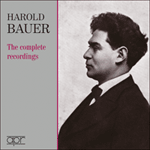 Harold Bauer - The complete recordings Harold Bauer - The complete recordingsAPR73023CDs Download only  Gramophone» More Gramophone» More |
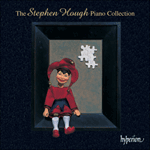 The Stephen Hough Piano Collection The Stephen Hough Piano CollectionHOUGH1Super-budget price sampler — Temporarily out of stock 'This is a fine introduction to the piano playing of one of the great talents of the present age' (MusicWeb International)» More |