Welcome to Hyperion Records, a British classical label devoted to presenting high-quality recordings of music of all styles and from all periods from the twelfth century to the twenty-first.
Hyperion offers both CDs, and downloads in a number of formats. The site is also available in several languages.
Please use the dropdown buttons to set your preferred options, or use the checkbox to accept the defaults.
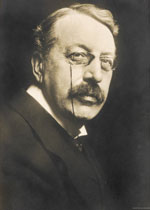
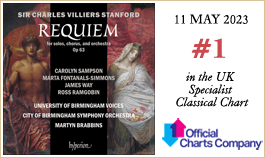
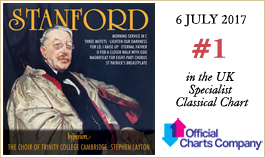
Stanford was, like many composers of his generation, gifted in writing musical miniatures. Victorian England had a huge appetite for ‘drawing-room music’ and so there was much demand for composers to publish material for that market. Stanford was also at ease with the larger forms; his works include nine operas, seven symphonies, ten concertos, six Irish rhapsodies, four masses, twenty-two secular cantatas, eight string quartets, six organ sonatas, and so on. His experience with these larger musical structures evidently taught him terseness in his smaller works. His choral music has survived when much of the work of his contemporaries has not. The renewed interest in him as a composer should allow his works to survive as one of the highest achievements in Victorian and Edwardian music.
from notes by William McVicker © 2005