Studio Master: CDA67208 Studio Master FLAC & ALAC downloads available
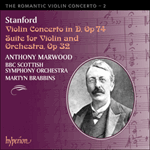
‘A real find … Anthony Marwood is an inspired choice of soloist, with a silvery tone and immaculate intonation. Prepare to be enchanted, by both piece and performance’ (CDReview)
Studio Master: CDA67208 Studio Master FLAC & ALAC downloads available
‘Here’s a real find: a major Romantic violin concerto by a British composer. Anthony Marwood is an inspired choice of soloist, with a silvery tone and immaculate intonation. Prepare to be enchanted, by both piece and performance’ (BBC Music Magazine)
Studio Master: CDA68104 Studio Master FLAC & ALAC downloads available
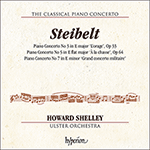
‘Shelley brings Steibelt's music back to life with all the panache we have come to expect from the many other piano concertos he has recorded for Hyperion in their previous Romantic piano concerto series’ (Classic FM)» More
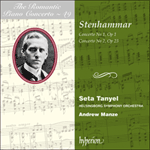
‘Tanyel, backed by the Helsingborg Symphony Orchestra, turns in a wondrous performance … an ear opener that will whet your appetite for more … this set is a winner … simply tremendous’ (Midwest Record, USA)
‘Andrew Manze incisively shapes Stenhammar's sonorous woodwind writing, and the Helsingborg Symphony strings boast superior presence and heft’ (Classics Today)
‘Each piece is a fine, distinctive work, embodying many of the central qualities of this distinguished musician … splendidly played by the Turkish/Armenian pianist Seta Tanyel and well backed by Andrew Manze’ (Dominion Post, New Zealand)
‘Stenhammar's concertos embrace traditional concerto forms with flair and lyricism … charm, virtuosity, melodiousness and drama. Tanyel's fiery vigour is fabulous and the orchestra plays ample tribute to its fellow countryman under the impressive baton of Briton Andrew Manze’ (Classic FM Magazine)
‘This is a piece certainly worth having. Seta Tanyel is in full command of the pianistic demands, and Andrew Manze conducts the Helsingborg orchestra with finesse and energy’ (The Daily Telegraph)
‘Wilhelm Stenhammar's two piano concertos are astonishing works, and their neglect outside the composer's native Sweden is shameful. As with much of his output, they derive their complexity and strength from his need to find an individual voice while also staking a claim for a place in the evolving symphonic tradition that includes Beethoven and Brahms. The latter's Second Piano Concerto was Stenhammar's structural starting point in each instance, but while his vast First Concerto (1893) swerves between the enormity of epic and the intimacy of folk song, the taut, embattled Second (1909) places piano and orchestra in terse opposition until the tension is eventually released in one of the most forceful slow movements ever composed. The performances, bigger in scope and scale than any we've heard before, are exceptional. The soloist is Seta Tanyel, formidable in her declamatory intensity and lyrical weight. Andrew Manze, meanwhile, conducts with steely commitment’ (The Guardian)